
Unlocking Core Strength Benefits: Understanding the Importance of a Strong Core

When we talk about fitness, the core often gets mentioned, but what does it really mean to have a strong core? You might have heard phrases like "strengthen your core" or "core workouts," but have you ever stopped to think about why your core matters so much? Today, I want to take you on a journey to explore the importance of a strong core and how it can transform your daily life, fitness routine, and overall wellness.
Let’s dive in and discover how building core strength can help you move better, feel stronger, and even reduce pain.
Why Core Strength Benefits Your Whole Body
You might be wondering, why all the fuss about the core? The truth is, your core is the foundation of your body. It’s not just about having six-pack abs or looking good in a swimsuit. Your core muscles support your spine, stabilize your pelvis, and connect your upper and lower body. When these muscles are strong, everything else works better.
Think about it this way: every movement you make, from bending down to tie your shoes to lifting groceries, involves your core. If your core is weak, other muscles and joints have to compensate, which can lead to pain or injury.
Here are some key core strength benefits you might notice:
Improved posture: A strong core helps you stand tall and sit properly, reducing strain on your back and neck.
Better balance and stability: Whether you’re walking on uneven ground or trying a new yoga pose, your core keeps you steady.
Enhanced athletic performance: Core strength boosts your power and endurance in sports and workouts.
Reduced risk of injury: Supporting your spine and pelvis means less chance of strains or falls.
Pain relief: Many people find that strengthening their core eases chronic back or hip pain.
So, strengthening your core isn’t just about aesthetics; it’s about creating a body that feels good and functions well every day.

What Qualifies as a Strong Core?
Now that we know why core strength benefits us, let’s talk about what qualifies as a strong core. It’s more than just having visible abs. Your core is made up of several muscle groups working together:
Rectus abdominis: The "six-pack" muscles at the front.
Transverse abdominis: Deep muscles that wrap around your torso like a corset.
Obliques: Muscles on the sides that help with twisting and bending.
Erector spinae: Muscles along your spine that help you stand upright.
Pelvic floor muscles: Support your pelvic organs and contribute to stability.
Diaphragm: Plays a role in breathing and core stability.
A strong core means these muscles are balanced, coordinated, and able to engage when needed. It’s not about isolating one muscle but about how well they work together to support your movements.
You might ask, how do I know if my core is strong? Here are some signs:
You can hold a plank or similar exercise with good form for at least 30 seconds.
You feel stable and balanced during everyday activities.
You experience less lower back discomfort.
You can perform twisting and bending movements without pain or stiffness.
If you’re curious about what is a strong core really, this link offers a deeper dive into the science and function behind core strength.
How to Build and Maintain Core Strength
Building a strong core doesn’t mean spending hours doing crunches. In fact, focusing only on traditional ab exercises can lead to imbalances. Instead, a well-rounded approach is best.
Here are some practical tips to help you build and maintain core strength:
Incorporate functional exercises
Movements like planks, bridges, bird dogs, and dead bugs engage multiple core muscles and improve coordination.
Focus on form, not reps
Quality beats quantity. Engage your core properly by pulling your belly button toward your spine and avoiding arching your back.
Include Pilates or yoga
These practices emphasize core control, breathing, and alignment, making them excellent for core strength.
Add variety
Mix static holds (like planks) with dynamic movements (like Russian twists or mountain climbers) to challenge your core in different ways.
Don’t forget your back
Strengthening your lower back muscles balances your core and prevents injury.
Practice mindful breathing
Your diaphragm is part of your core. Deep, controlled breathing supports core engagement and relaxation.
Be consistent
Aim for 3-4 core-focused sessions per week, but listen to your body and rest when needed.
Remember, building core strength is a journey. Celebrate small wins and stay patient with yourself.

Core Strength and Pain Relief: A Closer Look
One of the most rewarding benefits of a strong core is its role in pain relief. Many people struggle with chronic lower back pain or stiffness, and often, the culprit is a weak or imbalanced core.
When your core muscles don’t provide enough support, your spine and surrounding tissues take on extra stress. This can lead to discomfort, inflammation, and limited mobility. Strengthening your core helps distribute forces evenly and stabilizes your spine, reducing pain.
Here’s how core strength can help with pain relief:
Supports spinal alignment: Proper alignment reduces pressure on discs and nerves.
Improves movement patterns: Strong core muscles encourage safer, more efficient movements.
Reduces muscle imbalances: Balanced muscles prevent overuse injuries.
Enhances recovery: A strong core aids in healing and prevents future flare-ups.
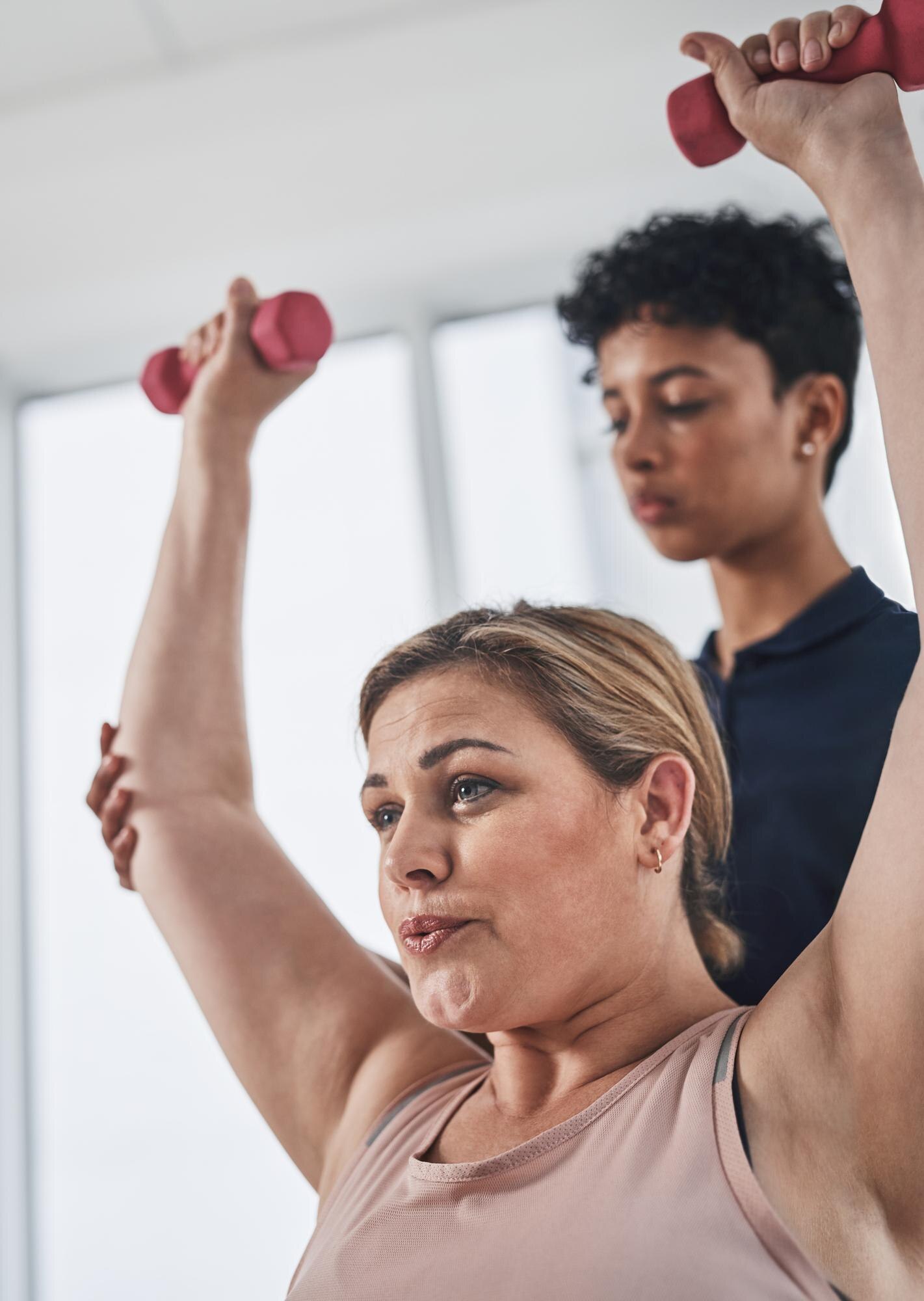
If you’re dealing with pain or stiffness, consider working with a fitness professional who can design a personalized core strengthening program tailored to your needs. This hands-on approach can make all the difference in your journey to wellness.
Bringing It All Together: Your Path to Lifelong Wellness
Building a strong core is about more than just fitness goals. It’s about creating a body that supports you through every stage of life. Whether you’re lifting your kids, gardening, or simply enjoying a walk, your core strength plays a vital role.
Here’s a quick recap of what you can do to embrace the core strength benefits:
Understand the role of your core muscles and how they work together.
Incorporate a variety of core exercises that focus on stability, strength, and coordination.
Prioritize quality and consistency over quick fixes.
Use core strength as a tool to reduce pain and improve your quality of life.
Seek personalized guidance when needed to address your unique needs.
Remember, your body is your lifelong companion. Treat it with care, and it will reward you with strength, balance, and resilience.
So, are you ready to start strengthening your core today? Small steps can lead to big changes. Let’s get moving!

Comments